Energy Solutions

One platform for multiple energy needs.

Palm 11's capabilities span distributed generation, storage, hybrid power and intelligent energy management — structured around the requirements of each project.

Capabilities

Integrated by design.

Technologies can be deployed individually or brought together as one system. The final architecture depends on the site's load profile, economics and operating conditions.

01
Distributed Energy Systems

Generation and storage, closer to the load.

Design and integration of distributed generation and storage systems that place reliable capacity closer to where energy is consumed — reducing losses, improving resilience and supporting scalability.

  • Distributed generation architecture
  • Solar PV + storage integration
  • Distribution and metering design
  • Site and demand assessment
Discuss a Distributed System
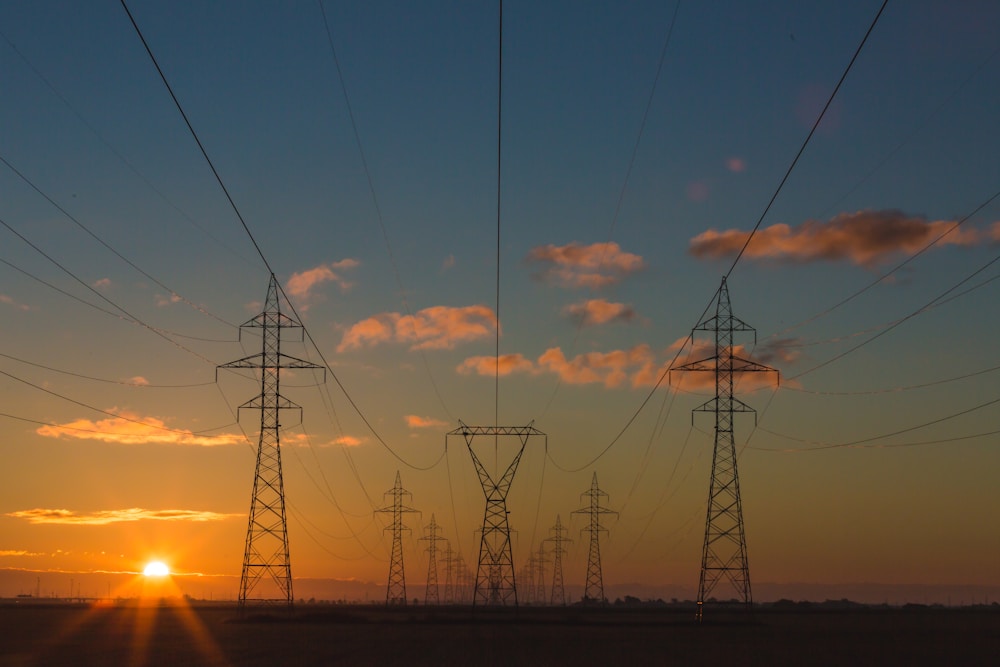
Distributed energy infrastructure
02
Solar PV

Commercial and community-scale solar generation.

Solar generation designed around actual energy demand — for businesses, estates, institutions and community projects.

  • Rooftop, ground-mount and carport systems
  • String and central inverter architectures
  • Design around real load profiles
  • Monitoring and performance support
Discuss a Solar Project
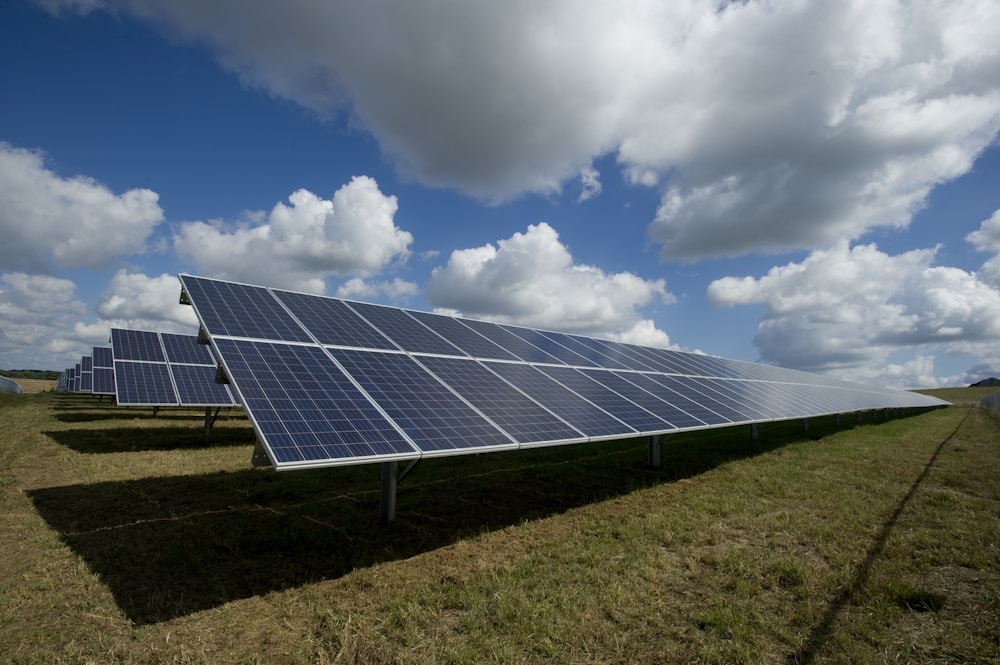
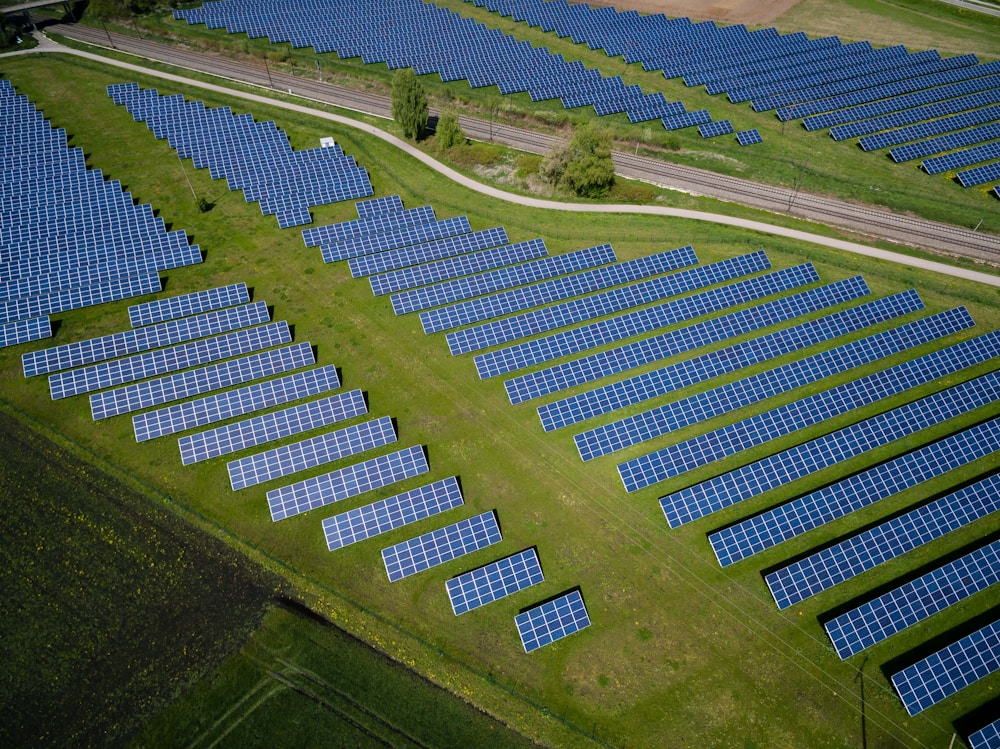
Solar PV array
03
Battery Energy Storage

BESS for reliability, load management and renewable integration.

Battery energy storage systems designed to improve reliability, reduce generator runtime, manage peak demand and increase the usable value of renewable generation.

  • Battery energy storage system (BESS) design
  • Peak shaving and load management
  • Backup and UPS-style architectures
  • Integration with solar and hybrid systems
Discuss a Storage Project
Battery energy storage system
04
Hybrid Power Systems

Solar, battery, gas/CNG and grid — working as one.

For sites that require a resilient generation mix, hybrid architectures combine renewable energy, storage and conventional generation (such as gas/CNG) where appropriate to the project.

  • Hybrid generation system architecture
  • Solar, storage, generator and grid integration
  • Gas/CNG generation as a project component
  • Load and operating profile assessment
Discuss a Hybrid System
Hybrid power generation infrastructure
05
Community Energy

Energy infrastructure for estates, communities and developments.

Community-scale energy infrastructure brings dependable electricity closer to where it is needed, using distributed generation and storage architectures appropriate to the local context.

  • Estate and community power systems
  • Mini-grid and distributed infrastructure
  • Property development energy integration
  • Site, demand and tariff assessment
Explore a Community Project
Community energy infrastructure
06
Commercial & Industrial Energy

Power systems built around business operations.

Energy systems designed around business loads and operating requirements — for hotels, retail, restaurants, manufacturing, warehouses, farms, processing facilities and SMEs.

  • Commercial and industrial solar PV
  • Energy storage and backup power
  • Hybrid power architectures
  • Feasibility, design and project planning
  • Monitoring, maintenance and support
Discuss a C&I Project
Commercial and industrial energy system
07
Energy-as-a-Service

Service-based energy infrastructure.

Where appropriate to the project, Palm 11 can develop and operate energy infrastructure under service-based commercial models, making modern energy systems easier to access and operate for the customer.

  • Service-based energy delivery models
  • Long-term infrastructure partnerships
  • Flexible commercial structures
  • PAYGo and metered energy concepts
Discuss a Service Model
Service-based energy infrastructure concept
08
Smart Energy & Monitoring

Energy management, metering, monitoring and data.

Energy management systems (EMS), metering and monitoring give visibility and control over how distributed energy assets perform — supporting reliability, cost management and future digital energy platforms.

  • Energy management system (EMS) integration
  • Metering and sub-metering
  • Monitoring, reporting and data
  • Future digital energy platforms
Discuss an EMS Project
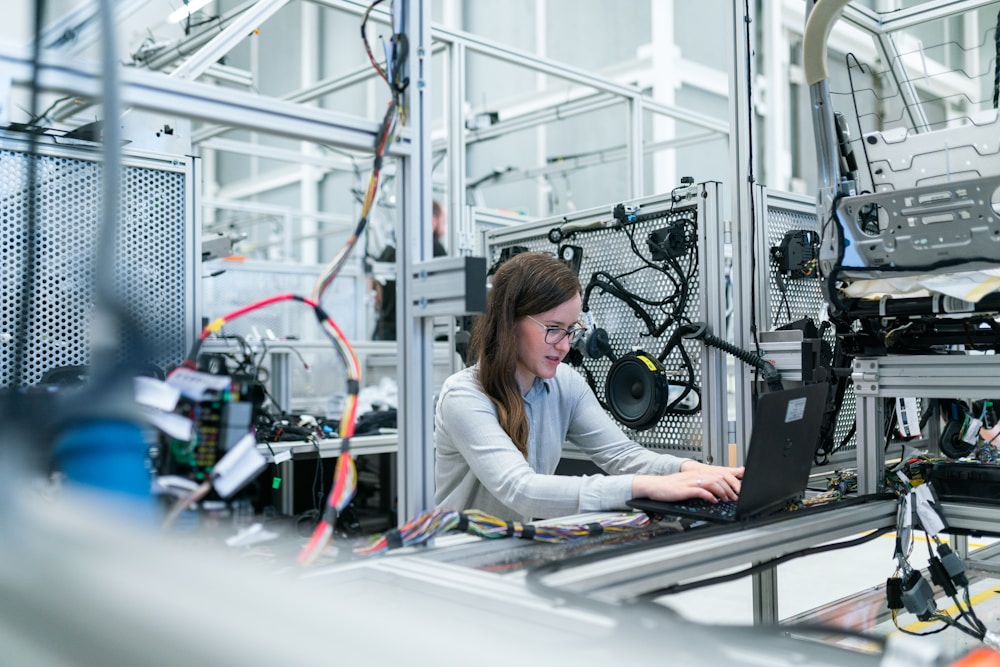
Smart energy monitoring and control
Delivery

From energy requirement to working system.

The project journey is structured around the requirements of the site and the agreed scope.

01

Understand

Energy needs, site conditions, load profile and project objectives.

02

Design

System architecture, technology selection and project planning.

03

Deliver

Procurement, implementation, commissioning and handover.

04

Support

Monitoring, maintenance and ongoing operational support where agreed.

Have an Energy Requirement?

Start with the problem you need to solve.

Tell Palm 11 what the site needs to achieve and we'll start the conversation from there.